
Life is loud. Distractions pull at you from every side. There is too much information, too many choices, and it’s hard to know what matters.
Trackers face the same problem.
The ground is alive with signs. Bushes shake, birds shriek, insects hum, animals call – and it all demands their attention.
The tracker must search for the one thread that matters.
How?
They know exactly what they are tracking.

The tracker knows a leopard’s sign in intricate detail—most variations, in most terrains. They interpret even the faintest, most broken tracks.
This takes sharp skill and a deep technical knowledge. (Leopard represents the ultimate tracking challenge.)
Trackers don’t search for perfect prints. Instead, they scan for shapes, textures, and smudges in the dust. An oval toe, for example.

Without this knowledge, it’s all noise. Every mark is a maybe, and every disturbance a possibility.
But there’s more. The best leopard trackers don’t just read tracks—they know leopard. It’s habits, territory and character. This tells them where to look.
Slowly, the noise fades.
Then the gaps begin to speak. Footprints show where it went, but absence shows more. Untouched ground, quiet birds, and still antelope tell them where the leopard isn’t. And that’s critical information too.
Seeing what’s not there is harder than spotting what is. Good trackers notice both.
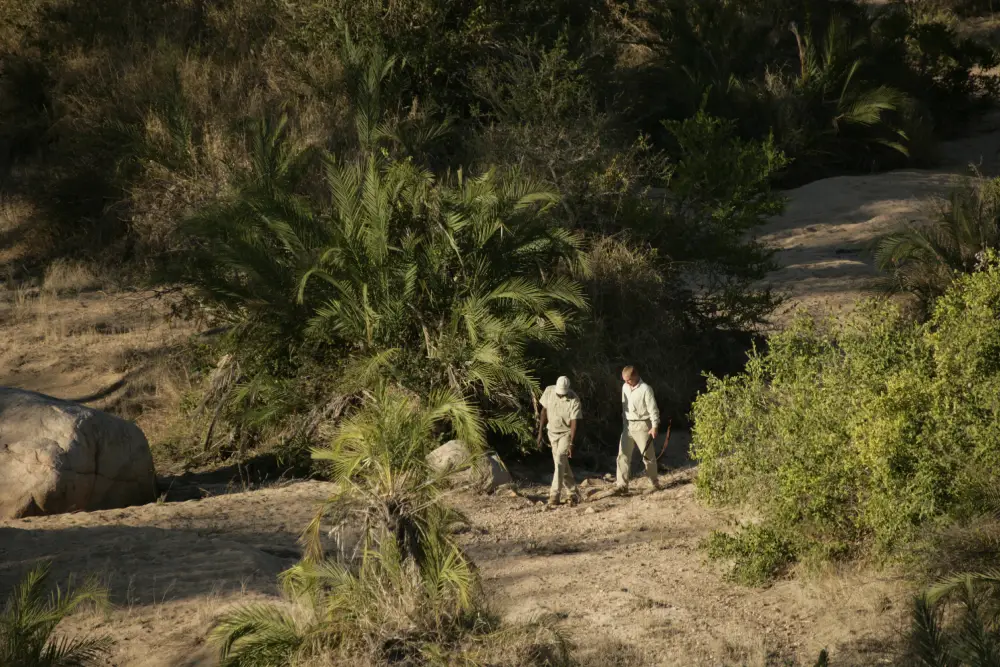
And this is where many struggle.
The inexperienced tracker acts too quickly. They jump from one sign to the next, zigzag, waste energy, and eventually burn out.
The master moves slowly, confirming before committing.
They stop to let their senses settle, listening often, because the bushveld always has something to offer.
The right decision usually comes after a pause.
Clarity isn’t about seeing better—it’s about knowing where and what to look for. It comes from a deep understanding of the thing you are searching for.
When you lack purpose, every thought feels urgent, and every path is equally possible.
Want more clarity in life and work? Pick your leopard. Ignore the rest.
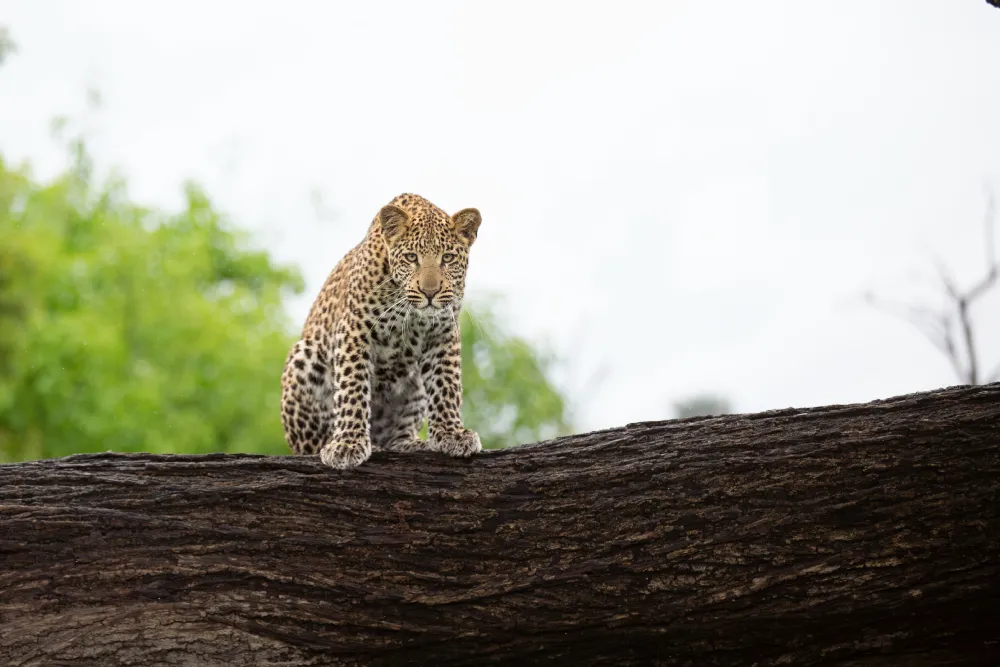
Leopard photos by the incredible James Tyrrell
Latest from our Blog
Why Good People Hold Back
They Wanted to Remember

What Saved Harry Wolhuter
Nice work Alex! I love the leadership connection
Absolutely brilliant